




In-home ABA therapy provides personalized behavioral support directly within your child’s home environment, where daily routines and real-life challenges naturally occur. By delivering therapy in familiar surroundings, children are able to learn and practice skills in the context where they are most needed.
This approach uses the same evidence-based principles of Applied Behavior Analysis (ABA), including positive reinforcement, structured teaching, and data-driven decision making. Programs are tailored to each child’s unique needs while integrating seamlessly into family routines and everyday activities.
In-home ABA therapy focuses on building meaningful, functional skills that support independence at home and beyond. By working within the child’s natural environment, therapists can address real-world behaviors more effectively and support smoother transitions across daily routines.
Key areas supported through in-home ABA therapy include:
Communication and language development
Daily routines such as meals, bedtime, and transitions
Self-care skills including dressing, toileting, and hygiene
Behavior challenges within the home environment
Social interaction with family members and caregivers
Therapy programs are developed and supervised by qualified behavior analysts and implemented by trained therapists. Ongoing data collection ensures progress is carefully monitored, allowing strategies to adapt as your child grows and new goals emerge.
In-home ABA therapy also emphasizes family collaboration, empowering parents and caregivers with strategies to support learning and consistency outside of therapy sessions.
In-home ABA therapy allows clinicians to observe and address behaviors as they naturally occur in the home setting. Many behaviors are context-specific and may not appear in clinic or school environments.
Our Board Certified Behavior Analysts (BCBAs) conduct Functional Behavior Assessments (FBAs) and develop individualized Behavior Intervention Plans (BIPs) tailored to your child’s unique needs. Therapy focuses on teaching functionally appropriate replacement behaviors using evidence-based strategies such as:
Preventative strategies including visual schedules, structured routines, and choice-making
Reinforcement strategies that strengthen positive behaviors through meaningful rewards
Antecedent-based interventions to reduce triggers and prevent challenging behaviors before they occur
In-home ABA therapy is especially effective for teaching self-help and daily living skills within the environment where those skills are used.
Using assessments such as the Assessment of Functional Living Skills (AFLS), therapists identify areas of need and create step-by-step task analyses to teach skills such as dressing, toileting, feeding, hygiene, and household routines.
Each step is carefully taught, practiced, and measured. Prompting strategies are systematically faded to promote independence, helping children gain confidence and functional autonomy in their daily lives.
Through in-home ABA therapy, children learn to use language meaningfully within their daily routines. Therapy begins by teaching essential communication skills such as requesting needs, labeling objects, and following directions.
As skills develop, language instruction becomes more complex—incorporating verbs, adjectives, conversational exchanges, and social communication. Individualized communication programs are created using assessments such as the VB-MAPP and other evidence-based tools.
Therapy may include:
One-to-one structured teaching
Verbal behavior strategies targeting functional language
Natural Environment Teaching (NET) for learning within everyday home activities
Social skills development is an important part of in-home ABA therapy. Children are supported in building skills such as turn-taking, emotional regulation, peer interaction, and appropriate social responses.
When needed, our BCBAs also collaborate with schools and other service providers. With parent consent, services may include:
Reviewing IEP goals and accommodations
Attending IEP meetings
Conducting classroom observations
Coordinating strategies across home, school, and community environments
This collaboration ensures consistency and maximizes progress across all settings.
Our In-Home ABA therapy services begin with a comprehensive assessment conducted by a Board Certified Behavior Analyst (BCBA). This assessment evaluates your child’s strengths, challenges, and developmental needs across communication, behavior, social, and daily living skills.
Based on the assessment results, the BCBA develops a personalized, data-driven treatment plan with clear, measurable goals tailored specifically to your child and family. Therapy goals are practical, meaningful, and designed to support success in everyday life.
Therapy sessions are delivered in your home by trained behavior technicians and are closely supervised by experienced clinicians. Ongoing data collection allows the clinical team to continuously monitor progress and make informed adjustments to ensure effective outcomes.
Parents and caregivers are actively involved throughout the process. Training, guidance, and collaboration are provided to support consistency and help families confidently apply strategies outside of therapy sessions.
Our goal is to support long-term growth by helping children develop functional skills that generalize beyond therapy—empowering them to succeed at home, in school, and in the community.
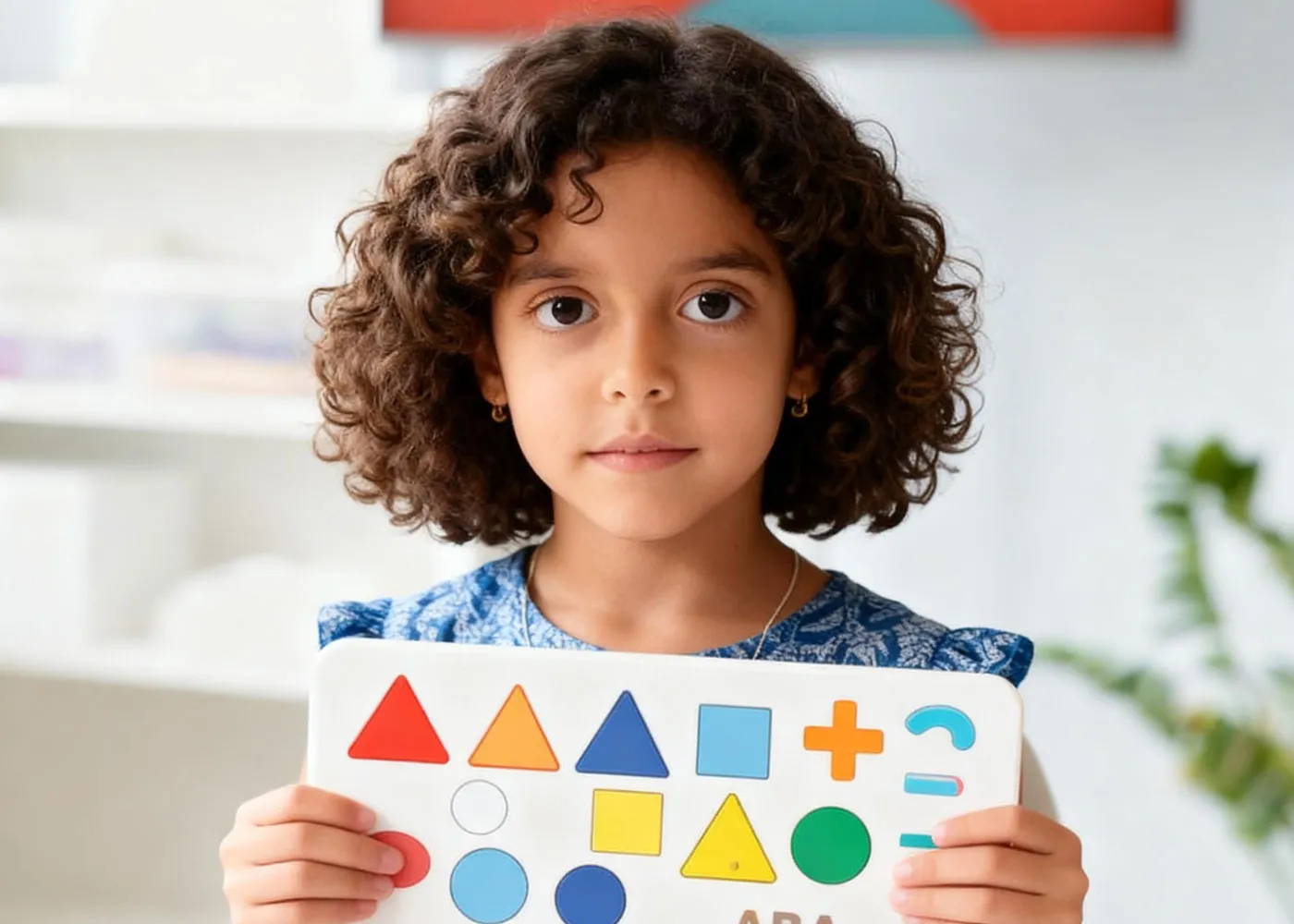

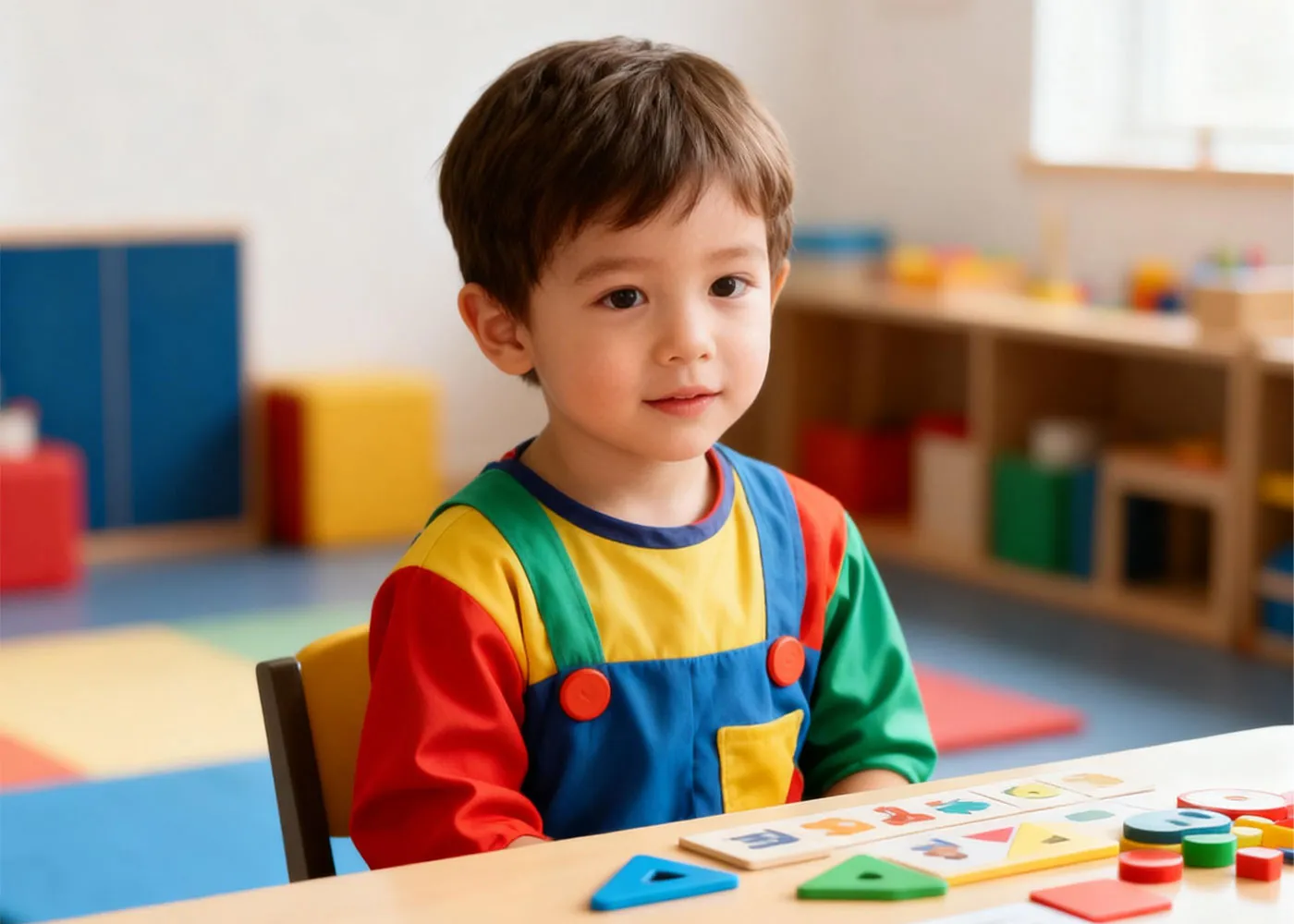
In-home ABA therapy allows children to learn and practice skills in the environment where they naturally spend most of their time. Many behaviors, routines, and challenges occur specifically within the home setting and may not be observed in a clinic or center-based environment.
By delivering therapy at home, our clinicians can directly address real-life situations such as daily routines, transitions, family interactions, and self-care tasks. This approach helps ensure that newly learned skills are immediately functional and meaningful.
Key benefits of in-home ABA therapy include:
Learning in a familiar and comfortable environment
Increased generalization of skills across daily routines
Opportunities to target real-life behaviors as they naturally occur
Active parent and caregiver involvement during sessions
Reduced transition stress for the child
In-home ABA therapy supports long-term progress by teaching skills where they are most likely to be used—helping children build independence that carries over beyond therapy sessions.

In-home ABA therapy focuses on building practical, real-life skills that support independence and confidence within the child’s everyday environment. By teaching skills directly in the home, children are better able to generalize what they learn and apply it naturally across daily routines.
Programs are individualized, structured, and reinforced consistently to support meaningful progress over time. Therapy goals are designed around the child’s unique strengths, challenges, and family priorities.
Teaching functional communication skills such as requesting needs, expressing preferences, and following directions during everyday home routines like meals, playtime, and transitions.
Building positive social skills through interaction with parents, siblings, and caregivers, including turn-taking, shared play, eye contact, and appropriate responses.
Addressing challenging behaviors as they naturally occur in the home by identifying triggers, teaching appropriate alternatives, and reinforcing positive behaviors in real-life situations.
Developing essential self-help skills such as dressing, toileting, feeding, hygiene, and participation in household routines through structured, step-by-step teaching.
Supporting early learning skills including attention, task completion, following routines, and transitioning between activities to prepare children for success in school settings.
Encouraging independence by teaching children to make choices, communicate needs, and participate confidently in daily activities at home and in the community.
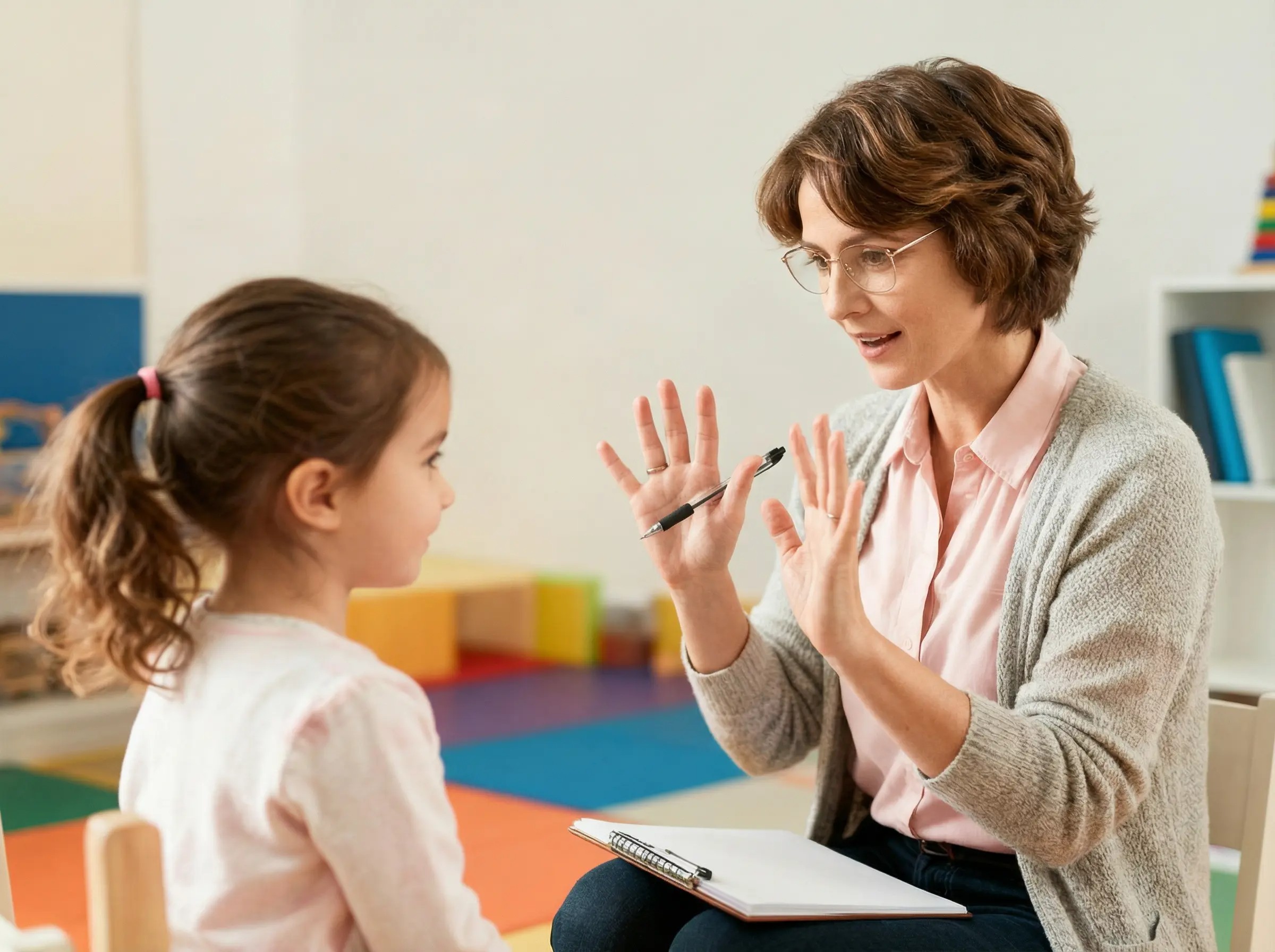


In-Home ABA therapy allows progress to be measured where it matters most — in your child’s natural home environment. Rather than relying solely on clinic-based observations, our team collects consistent, objective data during real-life routines, interactions, and daily activities.
This approach provides a clearer picture of how skills are developing and how behaviors naturally occur at home. Our clinical team regularly reviews this data to identify meaningful progress, refine strategies, and ensure therapy remains individualized, effective, and responsive to your child’s changing needs. Families are actively involved throughout the process, so progress is always transparent, measurable, and directly connected to everyday life.
Real-Time Data Collection at Home
Therapists collect detailed session data during everyday routines such as meals, playtime, transitions, and family interactions to track meaningful skill use in real-life situations
Ongoing BCBA Review & Clinical Oversight
Board Certified Behavior Analysts (BCBAs) regularly analyze home-based data to evaluate progress, adjust intervention strategies, and maintain high clinical standards.
Functional Goal Adjustments
Goals are updated based on real-world performance at home, ensuring therapy continues to support practical, relevant, and achievable outcomes.
Parent Collaboration & Feedback
Parents receive ongoing updates, explanations, and coaching so they understand progress and can confidently support skill development between sessions.
Working in the home allows therapists to address behaviors and teach skills within familiar routines, making learning more meaningful and easier to generalize.
Skills are practiced where they are naturally used — at home — helping children apply what they learn across daily routines and family interactions.
Our therapists bring professionalism, warmth, and consistency into your home, creating a supportive environment where children feel safe and motivated to learn.
Parents and caregivers are actively involved in therapy sessions, receiving guidance and coaching to support consistency and long-term success.
Each program is tailored to your child’s unique strengths, challenges, family routines, and developmental goals.
All in-home programs are supervised by experienced BCBAs who ensure therapy remains ethical, effective, and evidence-based.




5457 Twin Knolls Road, Suite 300-N18
Columbia, MD 21045
T: +1 (443) 351-6700
E: info@lucentracare.com
Mon – Fri: 9am-6pm
Sat–Sun: Closed